

Galapagos Species Database
The Galapagos Species Database shares the information about the species from our Natural History Collections.
Setophaga petechia aureola
Reinita Amarilla, Canario María, Canario Amarillo, Yellow Warbler, Mangrove Warbler
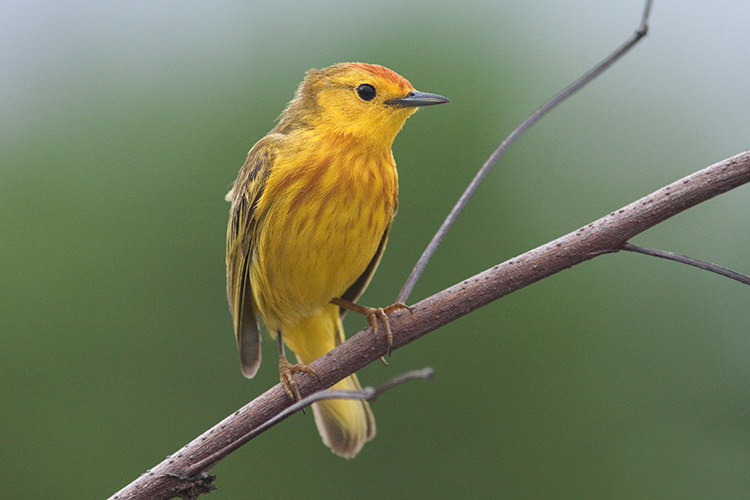
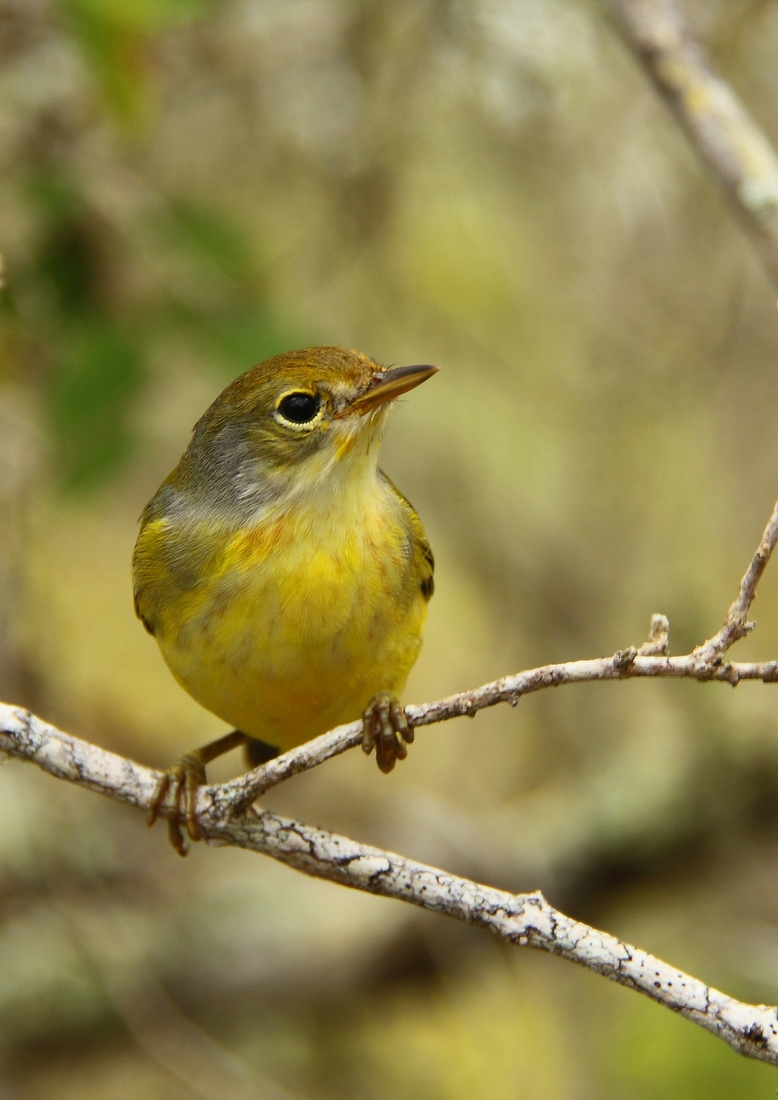
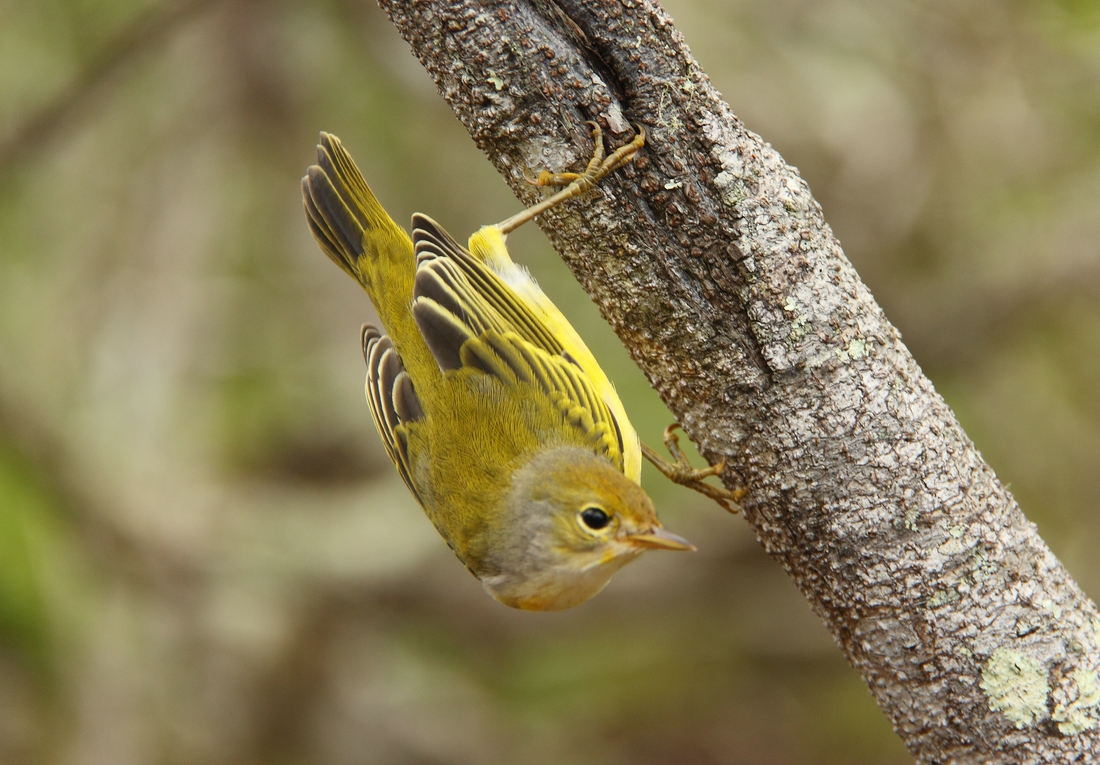
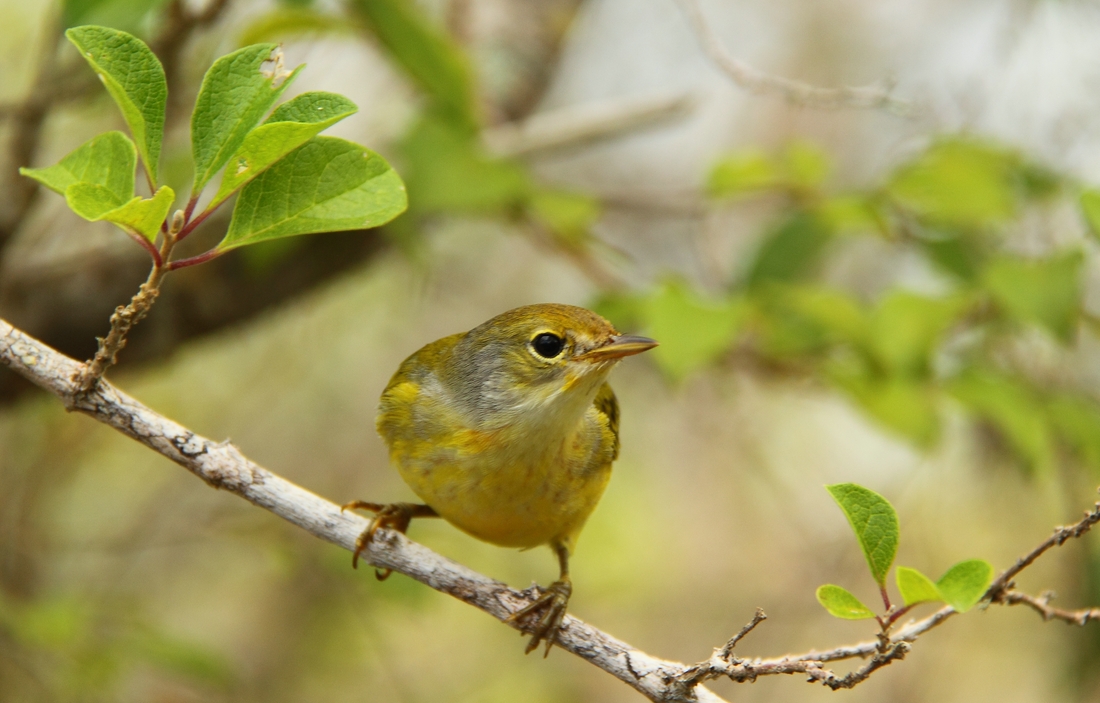
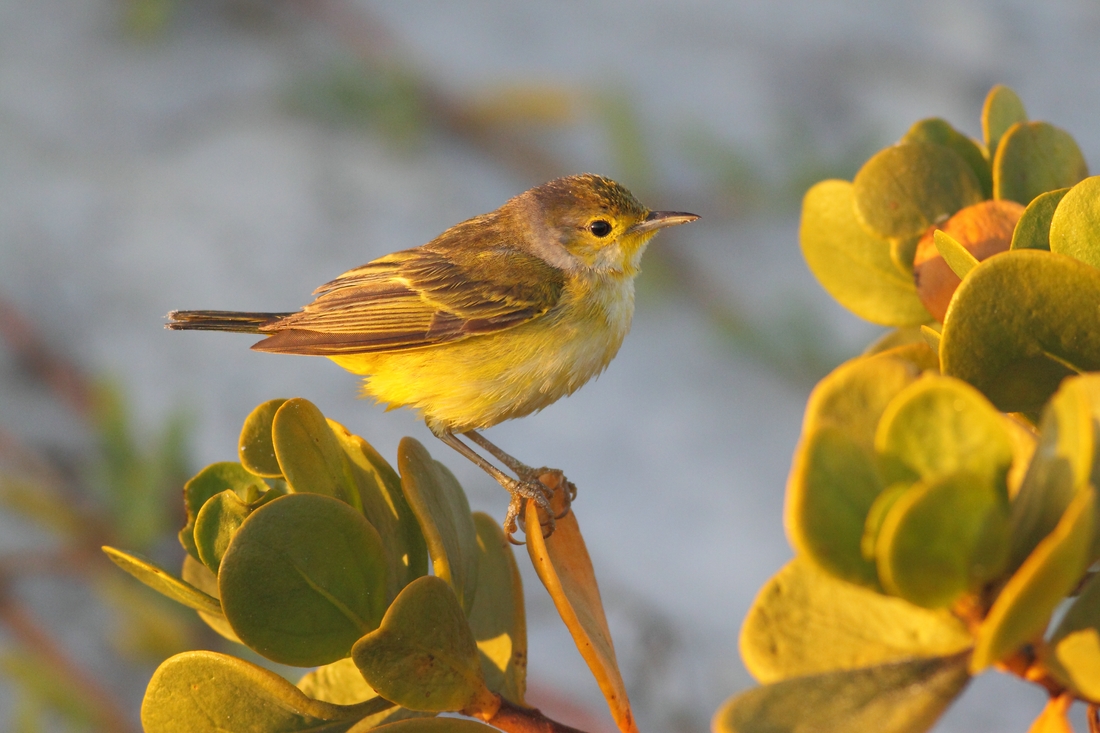
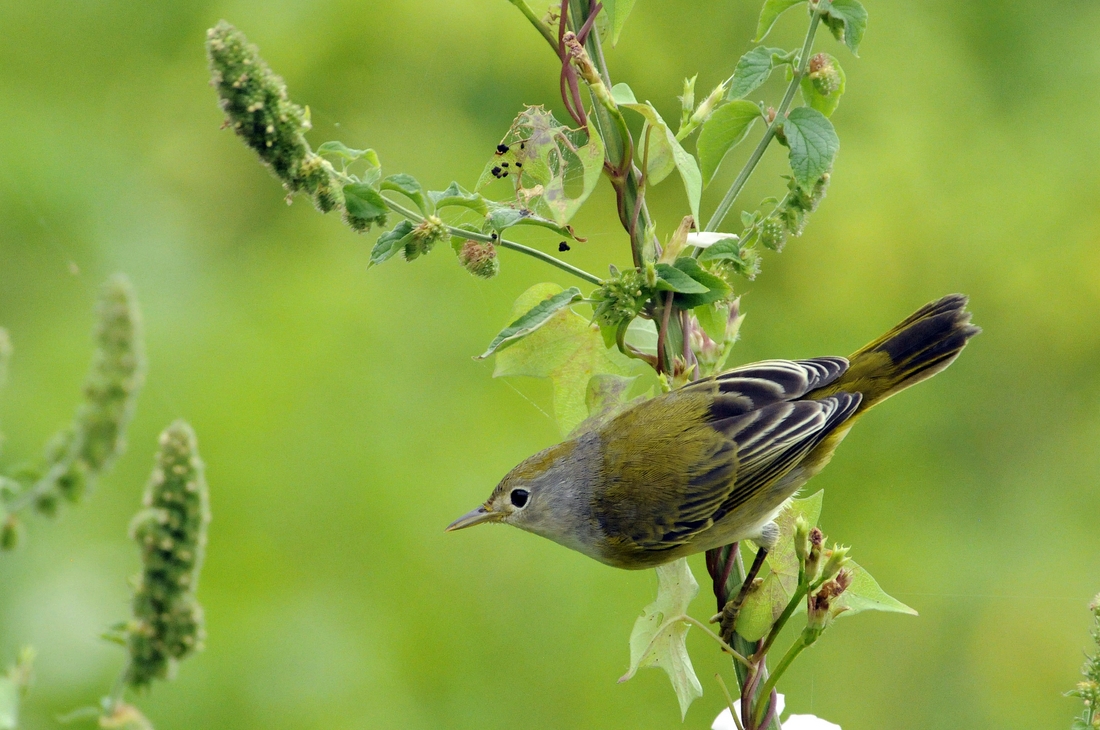
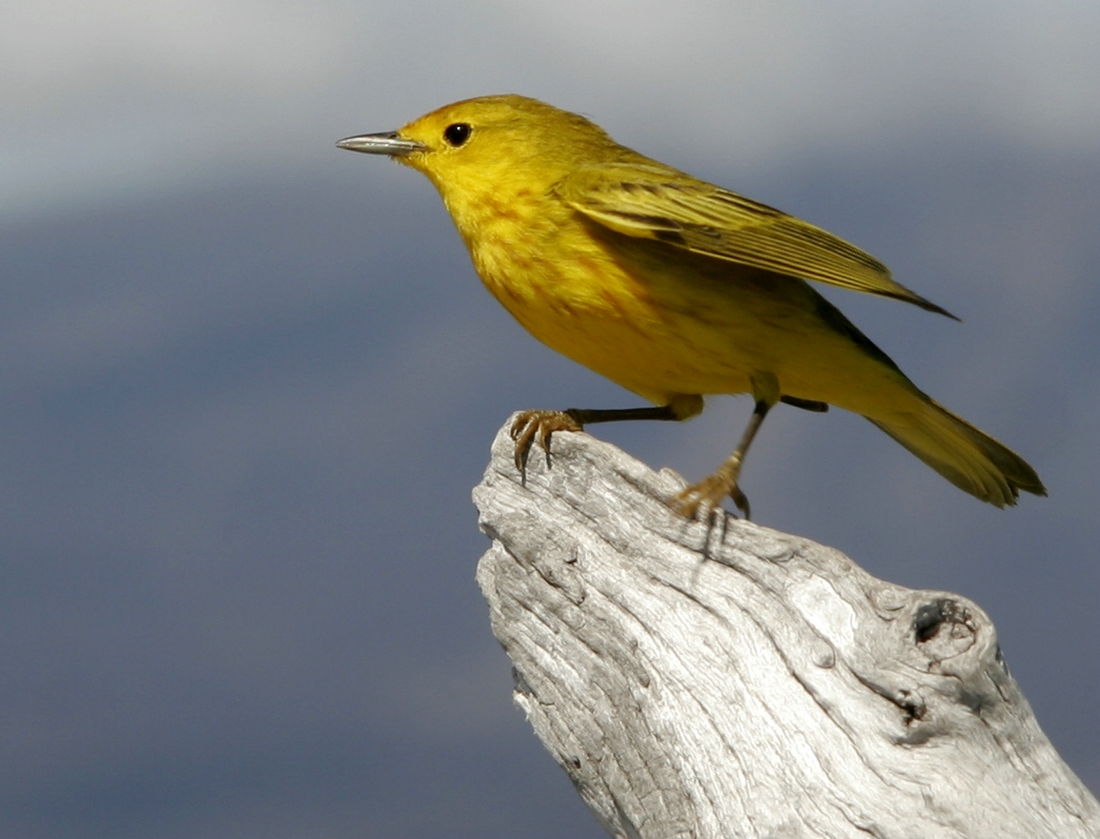
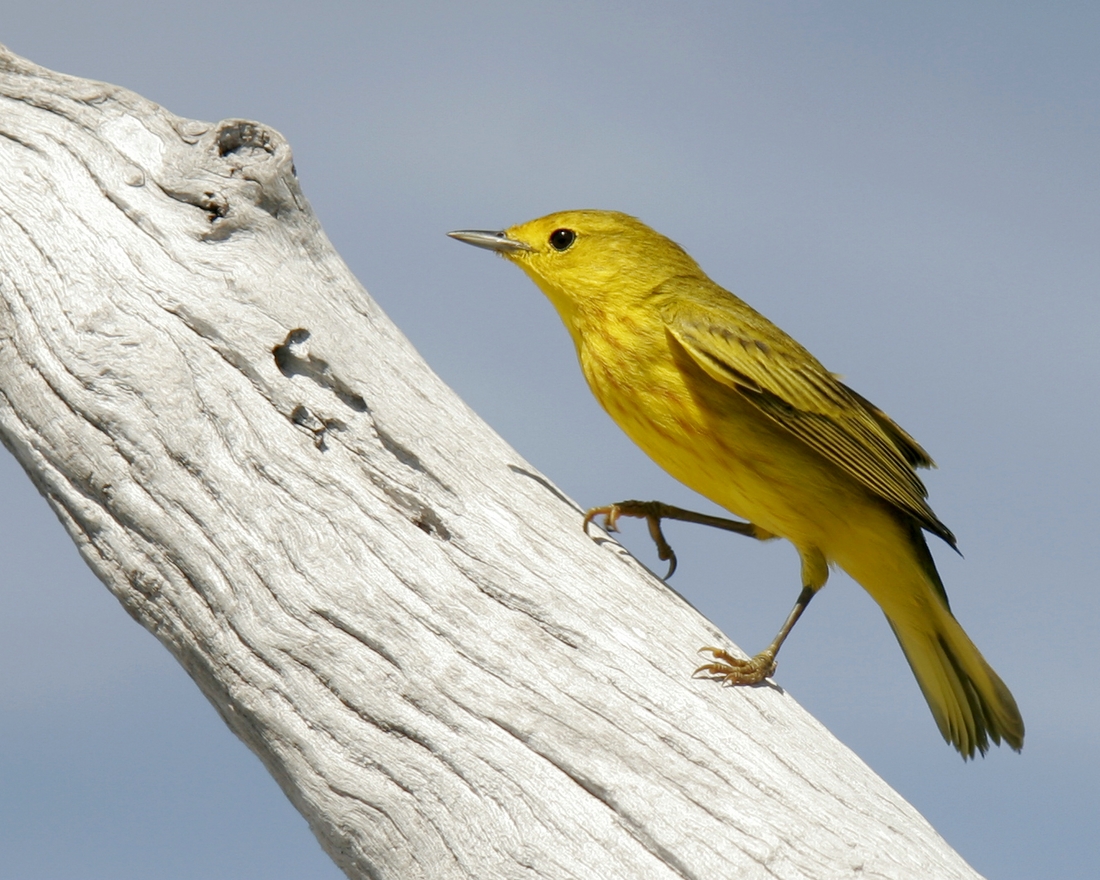
The only bright yellow bird with a bright, sweet song. Together with the population from the Coco islands, it is considered a sub-species (Setophaga petechia aureola) characterized by the brown-reddish cap on it’s head. Genetic divergence is low. Probably colonized the archipelago less than 300 000 yrs ago. Significant decreases and fluctuations, varying by vegetation zone, have been observed over the past 15 years on Santa Cruz Island—the only large island with systematic landbird monitoring data available to date.
Threats: As a primarily insectivorous species, it may be affected by pesticide use. It has been found to be infected with Plasmodium but does not appear to be a competent host. It has also been found to carry antibodies to Toxoplasma gondii, with unknown consequences. The species serves as a host for the avian vampire fly Philornis downsi, although studies on its impact are lacking. It is the species most affected by roadkill.
Domain
Eukaryota
Kingdom
Animalia
Phylum
Chordata
Class
Aves
Order
Passeriformes
Family
Parulidae
Genus
Setophaga
Species
petechia
Subspecies
aureola
Taxon category: Species with Infraspecific Taxa
Syn.: Dendroica petechia aureola (Gould, 1839); Sylvicola aureola Gould, 1841; Dendroica aureola Ridgway, 1890; Dendroica petechia Linnaeus, 1766; Dendroica petechia galapagoensis Sundevall 1869.
Origin: Endemic
Feeding preferences: Feeds on arthropods foraged on the ground or, in the intertidal zone, on invertebrates. May also, very occasionally, eat fruits. Common visitor to flowers and potential pollen vector. Loves to steal sugar in coffee places in town!
Trophic role: Carnivorous
Reproductive biology: Nests in the warm season from December to May. Cup nests in trees with 2 to 3 eggs.
Map of specimen collection localities or observation records for this species in our collections database.
Distribution: Present on all Islands from the shoreline up to the highest points.
- Alatalo, R. V. (1982) Bird Species Distributions in the Galapagos, Ecuador, and Other Archipelagoes: Competition Or Chance?. Ecology 63 (4): 881-887
- Browne, R. Collins, E. & Anderson, D. (2008) Genetic structure of Galapagos populations of the Yellow Warbler. The Condor 110:549-553
- Castro, I. Phillips, A. (1996) A Guide to the Birds of the Galapagos Islands. Christopher Helm Publishers Ltd., London.
- Chaves, J.A. Parker, P. G., Smith, T.B. (2012) Origin and population history of a recent colonizer, the yellow warbler in Galapagos and Cocos Islands J . Evol. Biol. 25: 509-521
- Dvorak, M. Nemeth, E., Wendelin, B., Herrera, P., Mosquera, D., Anchundia, D., Sevilla, C., Tebbich, S. and Fessl, B. (2017) Conservation status of landbirds on Floreana: the smallest inhabited Galápagos Island. Journal of Field Ornithology 88(2): 132-145. Doi: 10.1111/jofo.12197.
- Dvorak, M. Fessl, B., Nemeth, E. Anchundia, D., Cotin, J., Schulze, C. H., Tapia, W., & Wendelin, B. (2020) Survival and extinction of breeding landbirds on San Cristóbal, a highly degraded island in the Galápagos. Bird Conservation International 30(3): 381-395. doi.org/10.1017/S0959270919000285
- Dvorak, M. Fessl, B., Nemeth, E., Kleindorfer, S.M., & Tebbich, S. (2012) Distribution and abundance of Darwin ́s Finches and other land birds on Santa Cruz Island Galapagos: evidence for declining populations. Oryx 46:78-86
- Fessl, B. Couri, M.S. & Tebbich, S. (2001) Philornis downsi Dodge & Aitken, new to the Galapagos Islands (Diptera, Muscidae). Studia Dipterologic 8: 317-322.
- Fessl, B. Tebbich, S. (2002) Philornis downsi - a recently discovered parasite on the Galápagos archipelago - a threat to Darwin's finches? Ibis 144: 445-451.
- Fessl, B. Anchundia, D., Carrión, J., Cimadom, A., Cotin, J., Cunninghame, F., Dvorak, M., Mosquera, D., Nemeth, E., Sevilla, C., Tebbich, S., Wendelin, B., and Causton, C. (2017) Galapagos landbirds (passerines, cuckoos, and doves): Status, threats, and knowledge gaps. Galapagos Report 2015-2016. GNPS, GCREG, DCF, GC. (in English and Spanish).
- Freile, J.F. Santander, T., Jiménez-Uzcátegui, G., Carrasco, L., Cisneros-Heredia, D., Guevara, E., Sánchez-Nivicela, M., Tinoco, B. (2019) Lista Roja de las aves del Ecuador Quito, Ecuador. 97 pp.
- Guerrero, A. Tye, A. (2011) Native and introduced birds of Galapagos as dispersers of native and introduced plants. Ornitología Neotropical 22:207-217.
- Harris, M.P. (1973) The Galápagos avifauna. Condor 75(3): 265-278.
- Hickin, N. (1979) Animal life of the Galapagos. Ferundune Books, Faringdon, U.K., 236 pp.
- Jiménez-Uzcátegui, G. Betancourt, F. (2008) Avifauna vs automotores. Informe Galápagos 2007-2008. FCD, PNG & INGALA. Puerto Ayora, Ecuador. p. 111–114.
- Jiménez-Uzcátegui, G. Roa-López H., Peñafiel D., Quezada G., Loyola A., Delgado B., Moity N., Devineau O, & Betancourt F. (2024) Small Endemic Birds and Hot Climate: Avian and Environmental Predictors of Avifauna Road Mortality in Santa Cruz Galapagos Birds, 5, 453-468
- Jiménez-Uzcátegui, G. Milstead, B., Márquez, C., Zabala, J., Buitrón, P., Llerena, A., et al. (2007) Galapagos vertebrates: endangered status and conservation actions. Galapagos Report 2006–2007. Charles Darwin Foundation, Puerto Ayora, p. 104–110.
- Kleindorfer, S. Dudaniec, R.Y. (2006) Increasing prevalence of avian poxvirus in Darwin’s finches and its effect on male pairing success. Journal of Avian Biology 37: 69-76.
- Levin, I.I. Zwiers, P., Deem, S., Geest, E., Higashiguchi, J., Jimenez-Uzcategui, G., Kim, D., Morton, J., Perlut, N., Iezhova, T., Jime, G., Renfrew, R., Sari, E., Valkiunas, G. & Parker, P. (2013) Multiple Lineages of Avian Malaria Parasites (Plasmodium) in the Galapagos Islands and Evidence for Arrival via Migratory Birds. Conservation Biology doi 10.1111/cobi.12127.
- Mosquera, J. D. Valle, C., Nieto-Claudin, A., Fessl, B., Lewbart, G.A., Deresienski, D., Bouazzi, L., Zapata, S., Villena, I., & Poulle, M. L. (2023) Prevalence of Toxoplasma gondii in Galapagos birds: Inference of risk factors associated with diet. PLoS ONE 18(7): e0287403. https://doi.org/10.1371/journal.pone.0287403
- Salvin, O. (1876) On the avifauna of the Galápagos Archipelago. Transactions of the Zoological Society of London 9: 447-510.
- Sundevall, C.J. (1871) On birds from the Galápagos Islands. Proceedings of the Zoological Society of London 1871: 124-129.
- Swarth, H.S. (1931) The Avifauna of the Galapagos Islands. Occ. Pap. Calif. Acad. Sci. 18: 1-299.
- Thiel, T. Whiteman, N.K., Tirapé, A., Baquero, M. I., Cedeño, V., Walsh, T., Jiménez-Uzcátegui, G. & Parker, P.G. (2005) Characterization of canary pox-like viruses infecting endemic birds in the Galapagos Islands. Journal of Wildlife Diseases 41(2): 342-353.
- Wiedenfeld, D.A. (2006) Aves, the Galapagos Islands, Ecuador. Check List 2006 2(2): 1-27.
You are welcome to download and use the information found in this page, acknowledging its source.
This page should be cited as follows:
"Galapagos Species Database, Setophaga petechia aureola", dataZone. Charles Darwin Foundation, https://datazone.darwinfoundation.org/en/checklist/?species=17494. Accessed 17 August 2026.
Feeding type: Insectivorous